FREE TOOL LAUNCHED! CALCULATE RENEWAL FEES FOR YOUR PATENT FAMILY INSTANTLY
Try now
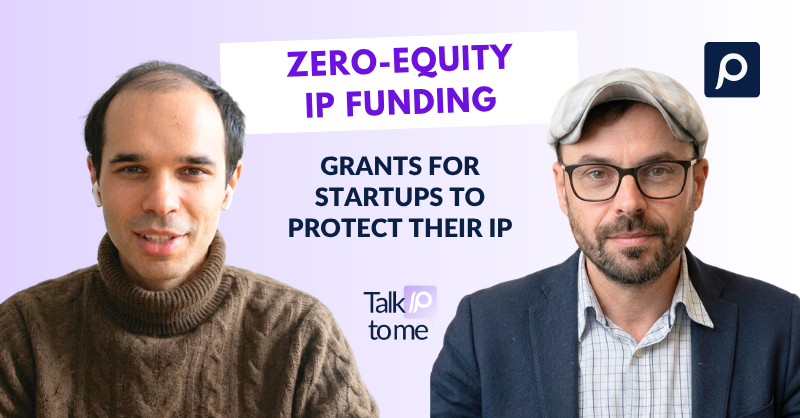
In this episode of Talk IP to me, David Breitenbach speaks with Adam Fox, CEO of Insperanto and Board Member of FundingIP, about one of the biggest early barriers startups face with intellectual property: getting started.
For many founders, IP feels complex, expensive, and slow. But as Adam explains, the real challenge is often not the system itself, but knowing where to begin and how to move efficiently.
They discuss how IP funding works in practice, how startups should approach their first steps, and why the right attorney can shape the entire outcome.
Adam did not start in intellectual property. His background is in psychology, which he explains still plays a role in his work today.
“My background is in psychology, not so IP related… IP is very much a global thing where there's a lot of filings in different jurisdictions… so there is a link there.”
After working with Morningside (now part of Questel) and becoming CEO in Germany, he shifted focus toward a different problem: helping startups not just file IP, but access funding and support around it.
This perspective shapes how he approaches IP today, focusing less on legal processes and more on helping startups make practical decisions early.
This led to the creation of Funding IP, a nonprofit focused on making IP support faster and more accessible for startups globally.
Many startups reach a point where they know they should protect their IP, but don’t know where to start. Should they file a patent, or first understand what actually needs protection? Before making any decisions, founders need guidance from a qualified IP attorney. But accessing that first advice often requires time, budget, and navigating funding options.
Traditional routes like government grants are slow and complex, requiring significant effort, often around 20 to 60 hours to apply, and taking 30 to 90 days for approval, with success rates typically between 2% and 10%. As a result, many startups delay action at this stage. This is why simplicity matters. If the first step is quick and easy, founders are far more likely to move forward, get initial advice, and make informed decisions.
“It takes about four to five minutes to apply for a grant… and we give approvals within five days… and we have about an 80% approval rate.”
Once startups can access that initial support, the next question becomes what to actually do first.
A common assumption is that the next step is to file a patent. But Adam highlights that this is often the wrong starting point. Before any filing decisions are made, startups need to understand what they have, what to protect, and where it matters. This requires guidance from someone who understands both the technology and the business context.
“The first thing the startups need is to find that attorney that is specialized in their niche technology area.”
Starting with filing too early can lead to protecting the wrong aspects of the invention, choosing the wrong markets, or building a portfolio that does not support the business later. This decision shapes everything that follows. In practice, this often goes beyond geography.
“You might be in Copenhagen… but the US market is the most important for your invention so you might appreciate meeting a semiconductor specialized attorney in the US.”
Choosing the right attorney is not just about the first interaction. It often defines long-term collaboration. The match is based on multiple factors:
Once matched, startups move from access to action through a structured conversation with the attorney. This is not a casual introduction, but a working session designed to turn uncertainty into clear decisions.
“It's a 90 minute sit down… so they're really invested in giving you the advice you need.”
Instead of guessing, founders use this session to answer key questions such as:
This session is often the point where founders move from assumptions to a clear, actionable plan, reducing the risk of costly mistakes later.
Once startups move from strategy into execution, especially across multiple countries, the process becomes more complex. At this stage, decisions are no longer just strategic, but operational. How filings are handled, translated, and managed across jurisdictions directly impacts cost and efficiency.
To avoid this, startups need to understand how IP costs are structured across jurisdictions, what they are actually paying for, and where additional fees such as translations, local agents, or service markups come in. Without that visibility, costs can quickly increase as the portfolio grows.
“Typically attorneys these days use service providers to handle patent foreign filing and translation… to reduce costs and increase quality.”
This is where working with a dedicated IP renewal service provider helps centralize these elements and bring transparency across jurisdictions.
PatentRenewal.com supports IP teams by providing clear cost visibility, standardized processes, and a structured overview of IP renewals and associated fees, helping teams stay in control as complexity increases. With the free patent renewal cost audit IP teams can understand how their current IP renewal setup compares and get a detailed, itemized breakdown of renewal-related fees.
Adam contrasts faster, accessible support with traditional government funding. While government grants can be significant in size, they come with major trade-offs. The key decision is not choosing one over the other, but using each for what it does best.
“I think the government grant application and the other nonprofit grant applications should be in parallel, get immediate support… and then… look in their local jurisdiction to see if they can find another grant.”
This approach allows startups to:
IP starts with understanding your options, speaking to the right expert, and making informed decisions early.
“A little research goes a long way to reducing costs.”
For founders, this is often the difference between delaying IP decisions and actively shaping them.
For the full conversation with Adam, listen on Spotify, Apple Podcasts, or YouTube. Follow Talk IP to me for more real stories and practical insights from the IP industry.
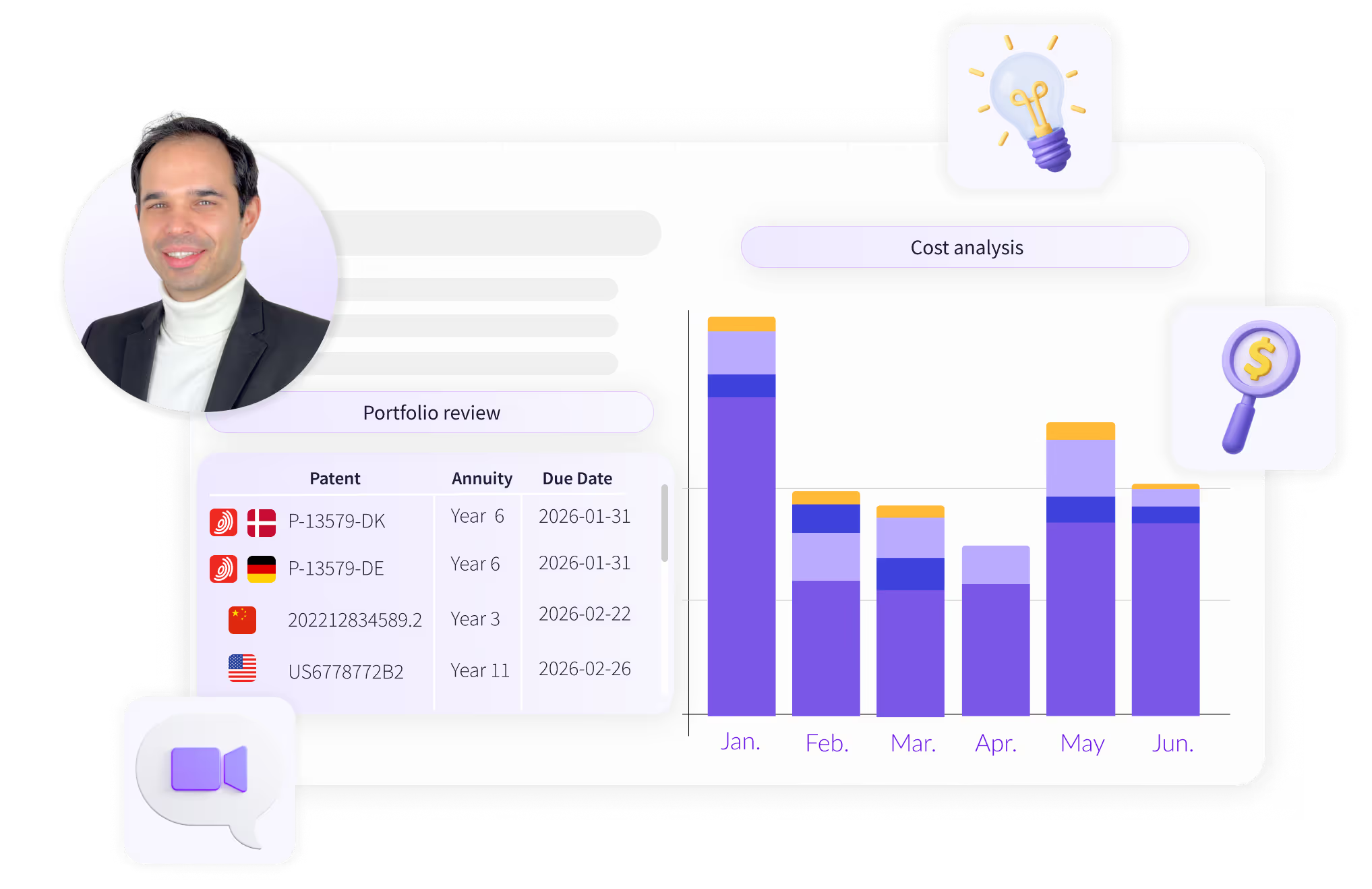
Interested in a free IP renewal consultation? Benchmark your current IP renewal setup and costs against market standards.

.png)